Yanjiu Conference logo

Call for Papers – ICEDDE 2027, Singapore

International Conference on Ecosystem Disturbance and Disease Emergence — ICEDDE 2027

Dates

7–8 May 2027

Venue

Singapore, Singapore

Field

Ecosystem Disturbance and Disease Emergence

Topics of ICEDDE 2027

Original papers are invited in Ecosystem Disturbance and Disease Emergence. Submit by 5 April 2027.

Submit Your Paper

Topics include, but are not limited to:

Ecological Drivers of Disease Emergence

  • Impact of habitat fragmentation on disease dynamics
  • Role of biodiversity in pathogen spread
  • Climate change effects on disease prevalence

Zoonotic Diseases and Ecosystem Health

  • Interactions between wildlife and domestic species
  • Influence of land-use change on zoonotic risks
  • Assessing risks of emerging pathogens in wildlife

Innovative Surveillance Techniques

  • Remote sensing for ecosystem health monitoring
  • Genomic approaches to track disease outbreaks
  • Community-based surveillance models for early detection

Ecosystem Restoration and Disease Mitigation

  • Strategies for restoring habitats to prevent outbreaks
  • Impact of restoration on pathogen transmission
  • Evaluating success of restoration projects in disease suppression

Human Health Implications of Ecosystem Disturbance

  • Linkages between ecosystem degradation and public health
  • Role of urbanization in disease emergence
  • Socioeconomic factors influencing vulnerability to outbreaks

Important Dates

Conference opens in

00days
00hours
00min
00sec
  1. Step 1

    Submission Deadline

  2. Step 2

    Registration Deadline

  3. Step 3

    Conference Date

Download

Get the official templates and forms for ICEDDE 2027. Use the latest versions when preparing your submission.

Peer Review Process

Follow each step from abstract submission to awards and recognition.
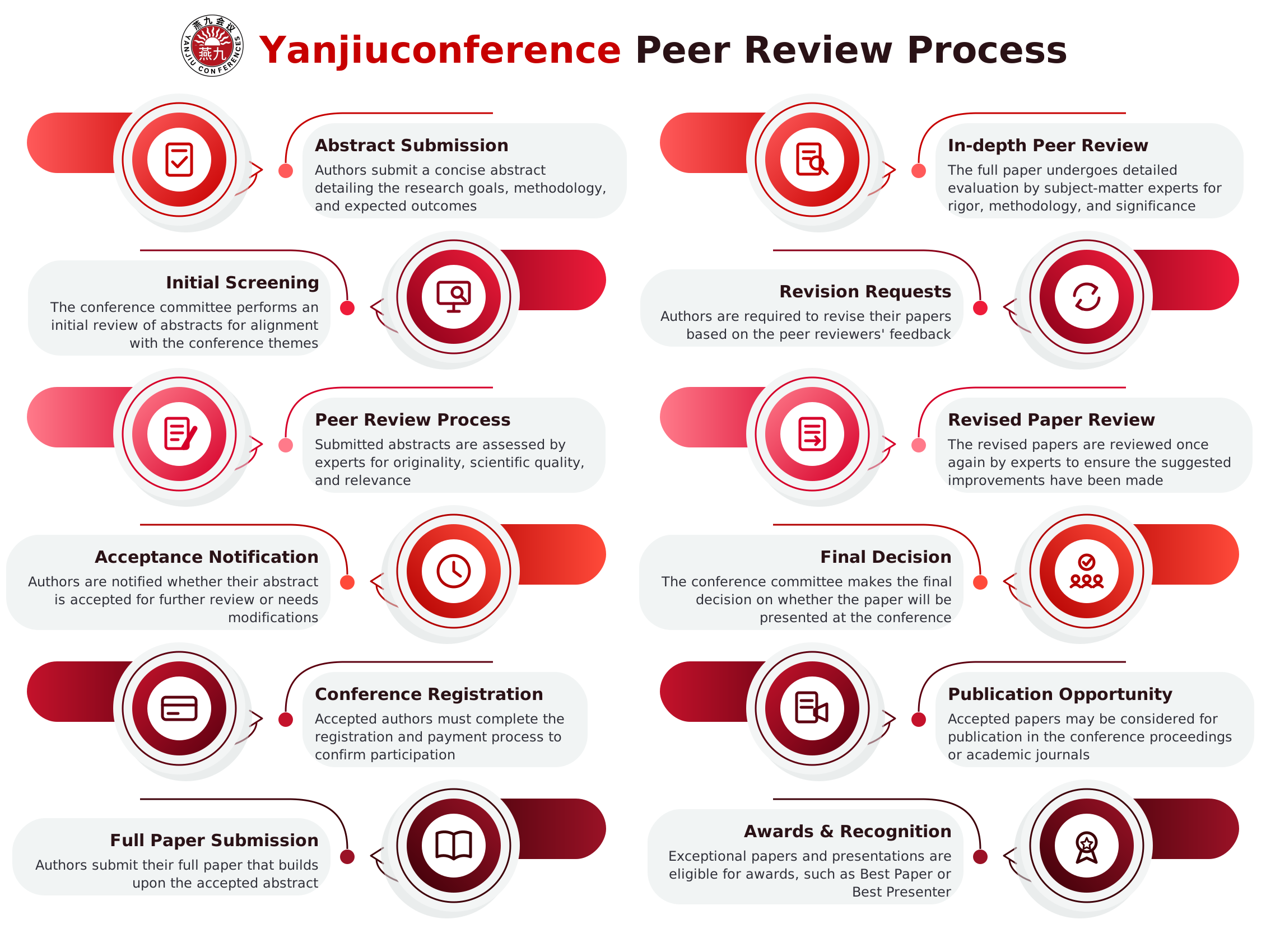
Yanjiuconference peer review process: 12 steps from abstract submission to awards and recognition

See You in Singapore This May

Present your research, meet peers from over 50 countries and help shape the future of Ecosystem Disturbance and Disease Emergence.