Yanjiu Conference logo

Call for Papers – ICMLAED 2027, Hangzhou

International Conference on Machine Learning for Advanced Engineering Design — ICMLAED 2027

Dates

14–15 March 2027

Venue

Hangzhou, China

Field

Machine Learning for Advanced Engineering Design

Topics of ICMLAED 2027

Original papers are invited in Machine Learning for Advanced Engineering Design. Submit by 10 February 2027.

Submit Your Paper

Topics include, but are not limited to:

Machine Learning Algorithms in Engineering

  • Application of neural networks in structural design
  • Optimization techniques for engineering simulations
  • Comparative analysis of ML models in engineering tasks

Data-Driven Design Processes

  • Integration of data analytics in design workflows
  • Real-time data usage for predictive modeling
  • Role of big data in engineering innovation

Sustainable Engineering Solutions

  • Machine learning for resource-efficient designs
  • Lifecycle assessment through AI-driven approaches
  • Innovative materials and sustainability metrics

Interdisciplinary Approaches to Engineering

  • Collaborative ML methods across engineering disciplines
  • Examining social implications of ML in design
  • Engineering education driven by AI methodologies

Challenges in Machine Learning Applications

  • Data quality and integrity in engineering datasets
  • Scalability issues in ML model deployment
  • Ethical considerations in AI-based design

Important Dates

Conference opens in

00days
00hours
00min
00sec
  1. Step 1

    Submission Deadline

  2. Step 2

    Registration Deadline

  3. Step 3

    Conference Date

Download

Get the official templates and forms for ICMLAED 2027. Use the latest versions when preparing your submission.

Peer Review Process

Follow each step from abstract submission to awards and recognition.
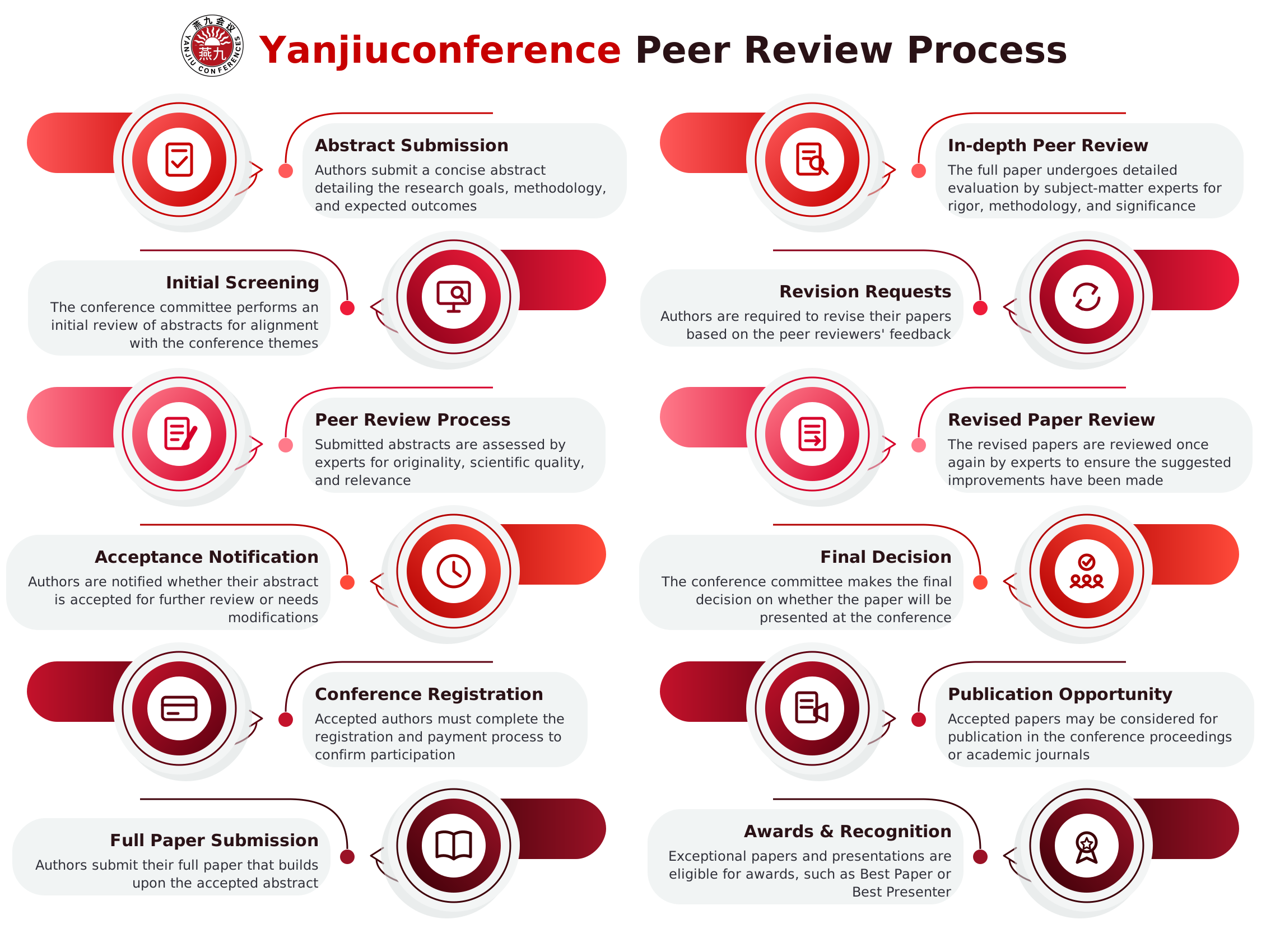
Yanjiuconference peer review process: 12 steps from abstract submission to awards and recognition

See You in Hangzhou This March

Present your research, meet peers from over 50 countries and help shape the future of Machine Learning for Advanced Engineering Design.